Battery Health
heat and your car battery -what you need to know
Is Summer Heat Draining Your Car Battery?
What Florida drivers need to know about summer battery health
Your car battery probably does not cross your mind very often—until the car does not start.
Cold weather gets much of the blame for dead batteries, but Jacksonville’s summer heat can be even harder on them. High temperatures accelerate the chemical activity inside a battery, while heat under the hood can contribute to internal wear and fluid loss.
Add Florida humidity, frequent short trips, heavy A/C use, and all the electrical technology found in modern vehicles, and your battery may be working harder than you realize.
Let’s look at how our weather affects your battery, which warning signs deserve attention, and what you can do to reduce the chance of an unwelcome click instead of a start.
Heat Can Shorten a Car Battery’s Life
A battery uses a chemical reaction to store and release the energy needed to start your vehicle and power its electrical systems.
Heat speeds up that chemical activity. Although this may help a battery produce power temporarily, prolonged exposure to high temperatures can also cause it to deteriorate faster.
Under-the-hood temperatures can become much hotter than the air outside—especially after sitting in traffic, driving on the highway, or parking on hot pavement.
Over time, excessive heat can contribute to:
- Faster internal battery wear
- Loss of battery fluid in certain battery designs
- Corrosion
- Reduced ability to hold a charge
- A shorter overall battery lifespan
In other words, a battery can appear to be working normally while gradually losing strength behind the scenes.
What Does Humidity Have to Do With Your Battery?
Humidity does not usually drain a healthy battery by itself. However, moisture, road grime, and heat can create conditions that encourage corrosion around the battery terminals and cable connections.
That chalky white, blue, or green material you may see near a battery terminal is corrosion. It can interfere with the electrical connection between the battery and the rest of the vehicle.
A poor connection may cause:
- Slow or inconsistent starting
- Flickering or dim lights
- Electrical accessories behaving strangely
- Charging problems
- A vehicle that starts sometimes—but not every time
Cleaning corrosion may help restore a connection, but it is also important to determine why it developed and whether the battery, cables, or charging system need attention.
Your A/C Does Not Directly Run on the Battery..But There Is More to the Story
This is a common source of confusion.
When your engine is running, the alternator provides most of the electricity used by the vehicle. The battery’s primary job is to supply the power needed to start the engine and help stabilize the electrical system.
However, summer driving often places a heavier overall demand on the vehicle. Your cooling fans, blower motor, lights, infotainment system, phone chargers, safety features, and other electronics may all be operating at the same time.
If the battery is already weak, or the alternator is not charging properly, Florida's summer driving conditions can help expose the problem.
The heat may not create every battery failure, but it has a way of revealing weaknesses at the least convenient moment.
Warning Signs Your Battery May Be Getting Weak
A weakening battery does not always fail without warning. Your vehicle may give you clues first.
Watch for:
- The engine cranking more slowly than usual
- A clicking sound when you try to start the vehicle
- Interior or exterior lights appearing dim
- Electrical accessories working inconsistently
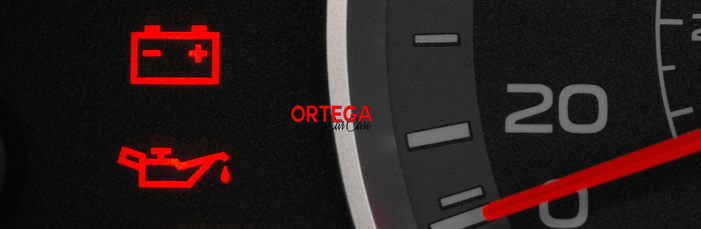
- A battery or charging-system warning light
- Corrosion around the battery terminals
- A swollen or misshapen battery case
- Needing a jump-start
- The vehicle starting normally one day and struggling the next
These symptoms do not automatically mean the battery is the only problem. A worn starter, failing alternator, loose cable, poor electrical connection, or parasitic draw can produce similar symptoms.
That is why proper testing matters.
How Long Should a Car Battery Last in Florida?
There is no single expiration date that applies to every battery.
Battery life depends on several factors, including:
- Battery type and quality
- Vehicle design
- Driving habits
- Under-the-hood temperatures
- Maintenance history
- Electrical demands
- How often the vehicle is driven
- Whether the charging system is working properly
Florida heat can make battery life less predictable. Once a battery reaches a few years old, periodic testing becomes especially helpful—even if the vehicle still starts normally.
The goal is not to replace a good battery too early. It is to recognize a weakening one before it leaves you stranded.
Short Trips Can Be Hard on a Battery
Starting your engine requires a considerable burst of power. Once the vehicle is running, the charging system replenishes the energy used during startup.
If most of your driving consists of short trips, the battery may not always have enough time to recharge fully before the vehicle is turned off again.
Repeated school runs, quick errands, or brief commutes can gradually leave a battery undercharged, especially if it is already aging or the vehicle has high electrical demands.
If a vehicle sits for long periods, its battery can also lose charge. Modern vehicles continue using small amounts of electricity to support security systems, computers, keyless entry, and saved settings even when parked.
A Jump-Start Does Not Tell You Why the Battery Died
A jump-start may get your vehicle running, but it does not diagnose the underlying problem.
The battery may have been discharged because:
- It is no longer able to hold a charge
- A light or accessory was left on
- The alternator is not charging correctly
- A cable or terminal has a poor connection
- The vehicle has an electrical drain
- It has been sitting too long
- Repeated short trips have left it undercharged
Replacing the battery without checking the rest of the system can lead to another frustrating no-start. Testing the battery, starter, charging output, cables, and connections helps identify what is actually happening.
Simple Ways to Support Battery Health
You cannot remove Jacksonville heat and humidity from the forecast, but you can give your battery a better chance.
Consider these practical steps:
- Have the battery tested periodically, especially once it begins aging
- Ask for a test before a road trip or extended period of travel
- Watch for slow cranking or intermittent starting
- Keep battery connections clean and secure
- Address charging-system warning lights promptly
- Avoid leaving lights or accessories on while the engine is off
- Drive the vehicle regularly when possible
- Have repeated jump-starts properly diagnosed
A battery test only provides part of the picture. The battery’s condition should be considered alongside the vehicle’s starting and charging systems.
Digital Vehicle Inspections Help Us See the Bigger Picture
At Ortega Car Care, our Digital Vehicle Inspections help take the guesswork out of vehicle care.
During an inspection, we can document visible battery concerns such as corrosion, damaged connections, or an unusual battery case. We can also recommend appropriate testing when the battery or charging system shows signs of trouble.
You receive clear information that helps you understand:
- What looks good
- What may need to be monitored
- What needs attention soon
- What could interfere with reliable starting
No mystery. No pressure. Just useful information about the condition of your vehicle.
Battery Care Is About More Than Avoiding a No-Start
Your battery works together with the alternator, starter, cables, computers, and electrical systems throughout your vehicle.
That means an apparent “battery problem” may actually begin somewhere else. Proper testing helps avoid replacing parts based only on symptoms.
Keeping the battery and charging system healthy can also help protect the electronics drivers rely on every day—from safety systems and dashboard displays to power windows and, most importantly in summer, the equipment helping keep the cabin cool.
Need Your Car Battery Checked in Jacksonville, FL?
If your vehicle is starting slowly, your lights seem dim, you have noticed corrosion, or your battery is a few years old, Ortega Car Care can help.
Ortega Car Care
4417 Cambridge Road
Jacksonville, FL
904-388-8800
We will test the battery and charging system, explain what we find, and help you determine the right next step.