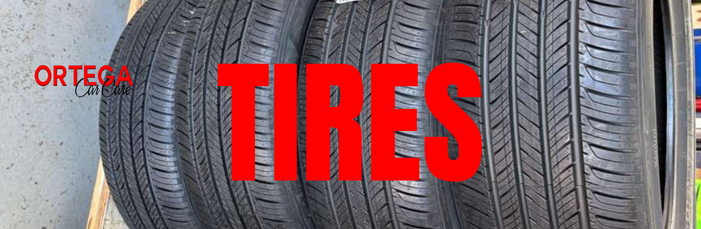
Car and Truck Tires
Is it time for new tires?
Your tires do a lot more than just roll.
When most people think about tires, they think about tread. And yes, tread is a big deal.
But your tires also affect how your vehicle brakes, steers, handles rain, rides over bumps, and even how efficiently it uses fuel.
Here in Jacksonville, tires deal with plenty: hot pavement, sudden rain, highway driving, beach trips, school runs, work commutes, and the occasional pothole that shows up like it paid rent.
So let’s talk about what drivers really need to know about tire care.
Your Tires Are the Only Part of Your Vehicle Touching the Road
That sounds obvious, but it’s easy to forget how much your tires are responsible for.
Your tires help your vehicle:
Stop safely
Grip the road in wet weather
Stay stable while turning
Ride smoothly
Protect suspension components
Maintain better fuel efficiency
When tires are worn, underinflated, overinflated, out of balance, or affected by alignment issues, your vehicle may not respond the way it should.
And sometimes the first sign is subtle.
Maybe the steering wheel shakes a little. Maybe the vehicle pulls to one side. Maybe the tires look “fine” at a glance, but one edge is wearing faster than the rest.
That is why regular tire checks matter.
Tread Depth Matters, Especially in Florida Rain
Tread is what helps move water away from your tires so they can maintain contact with the road.
When tread gets too low, your vehicle may have less traction, especially during sudden summer storms or wet morning commutes.
Signs your tread may be getting low include:
✔ Less grip in rain
✔ Longer stopping distance
✔ Tires looking smooth or uneven
✔ Visible wear bars in the tread
✔ Hydroplaning more easily
If you are not sure how much tread you have left, it is worth having it checked. Guessing with tires is not exactly a fun hobby.
Tire Pressure Is Not a “Set It and Forget It” Thing
Tire pressure changes over time, and it can be affected by temperature, driving habits, and small leaks.
Low tire pressure can cause:
✅ Poor fuel economy
✅ Uneven tire wear
✅ Extra heat buildup
✅ A softer or sluggish feel while driving
✅ Increased risk of tire damage
Too much air is not ideal either. Overinflated tires can wear unevenly and may not make proper contact with the road.
The correct tire pressure is usually listed on the sticker inside the driver’s door area, not necessarily on the tire itself. That number is specific to your vehicle.
Uneven Wear Can Point to Other Problems
Sometimes tires tell a bigger story.
If one tire is wearing faster than the others, or if the inside or outside edge is wearing down, that may be a sign of an alignment, suspension, or steering concern.
Common causes of uneven tire wear include:
✅Wheel alignment issues
✅Worn suspension parts
✅Improper tire pressure
✅Lack of rotation
✅Wheel balance problems
✅Driving on damaged roads
This is where looking at the full picture matters. Replacing tires without checking why they wore unevenly can lead to the same problem happening again.
New tires are great. New tires wearing out too soon? Not so great.
Tire Rotation Helps Tires Wear More Evenly
Tires do not all wear at the same rate.
Front tires often wear differently than rear tires because of steering, braking, weight distribution, and drivetrain design.
Regular tire rotations help spread that wear more evenly, which can help extend tire life and keep your vehicle driving more smoothly.
A good rule of thumb is to check tire rotation needs during regular maintenance, often around oil change intervals. Your exact schedule can depend on your vehicle, tire type, and driving habits.
Balancing and Alignment Are Not the Same Thing
This is a common one.
Tire balancing helps correct weight differences in the tire and wheel assembly. When tires are out of balance, you may feel vibration, especially at certain speeds.
Wheel alignment focuses on the angles of the wheels and how they meet the road. When alignment is off, your vehicle may pull, handle poorly, or wear tires unevenly.
Both matter.
Balancing helps the tire roll smoothly.
Alignment helps the vehicle track properly.
If you are getting new tires, it is smart to make sure the vehicle is properly aligned so those tires have the best chance at a long, even life.
When Is It Time for New Tires?
You may need new tires if you notice:
✔ Low tread depth
✔ Cracks in the sidewall
✔ Bulges or bubbles
✔ Frequent air loss
✔ Uneven or choppy wear
✔ Vibration that does not go away
✔ Poor traction in wet weather
✔ Tires that are simply aging out
Not every tire concern means replacement right away. Sometimes a tire can be repaired. Sometimes rotation, balancing, or alignment can help. Sometimes replacement is the safest choice.
The key is knowing what is actually going on before making a decision.
Digital Vehicle Inspections Take the Guesswork Out of It
At Ortega Car Care, we use Digital Vehicle Inspections to help you see what we see.
That means when we inspect your tires, we can document tread depth, wear patterns, visible damage, and related concerns with photos and clear notes.
No mystery. No pressure. Just information you can understand.
A DVI can help show:
What looks good
What needs attention soon
What may need immediate repair
What can be monitored over time
That makes tire decisions a lot less confusing.
Tire Care Is Really Vehicle Care
Your tires work closely with your brakes, suspension, steering, alignment, and overall safety systems.
So when we look at tires, we are not just looking at rubber. We are looking at how your vehicle is meeting the road.
That matters for daily driving, road trips, heavy rain, school drop-offs, highway commutes, and everything in between.
Need Your Tires Checked in Jacksonville, FL?
If your tires are wearing unevenly, your vehicle is pulling, your steering wheel is shaking, or you are just not sure where your tires stand, we are happy to take a look.
Ortega Car Care
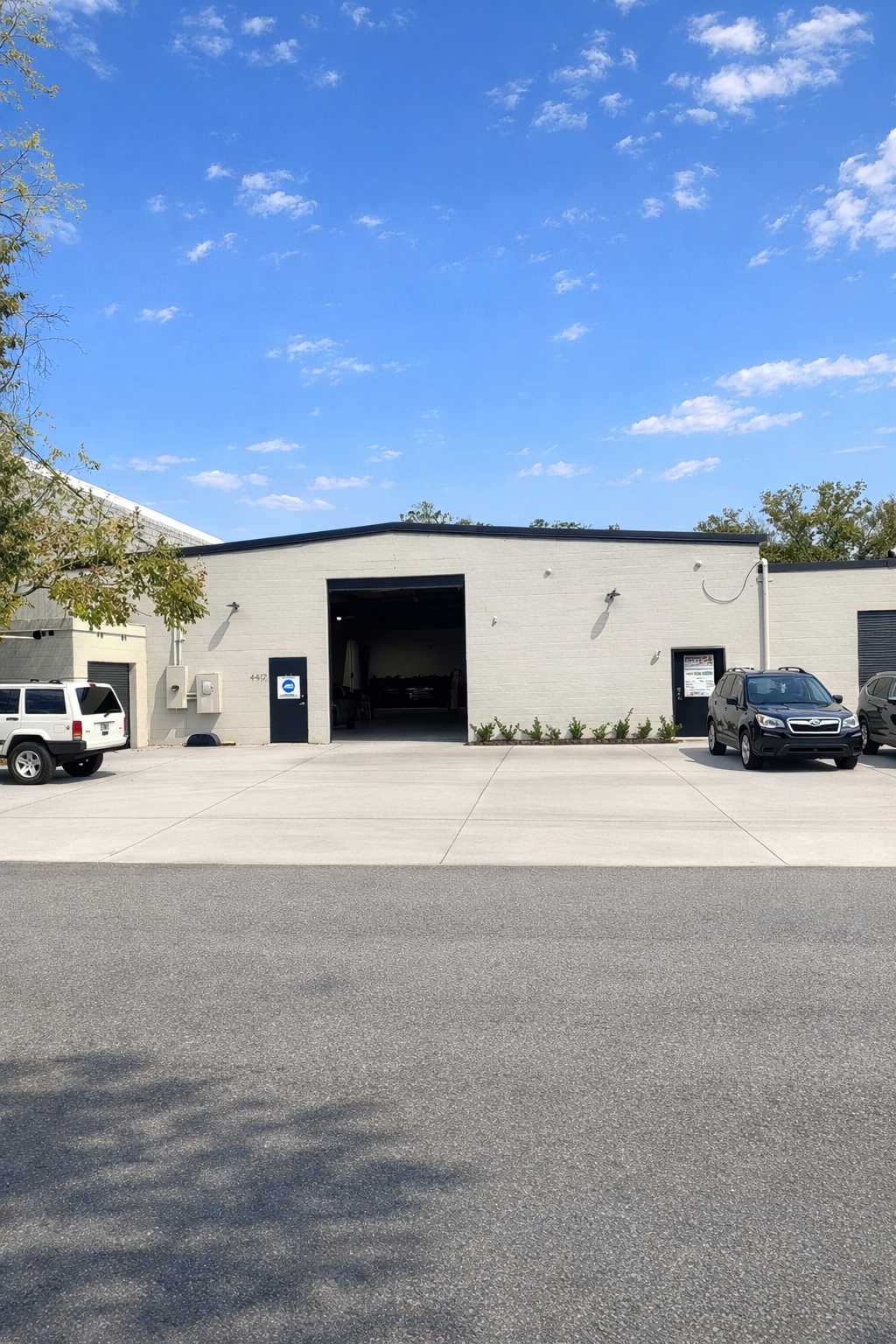
4417 Cambridge Road
Jacksonville, FL
904-388-8800
We will inspect your tires, explain what we find, and help you make the right decision for your vehicle.
Because good tires are not just about the drive.
They are about getting there with confidence.